Assault Charges
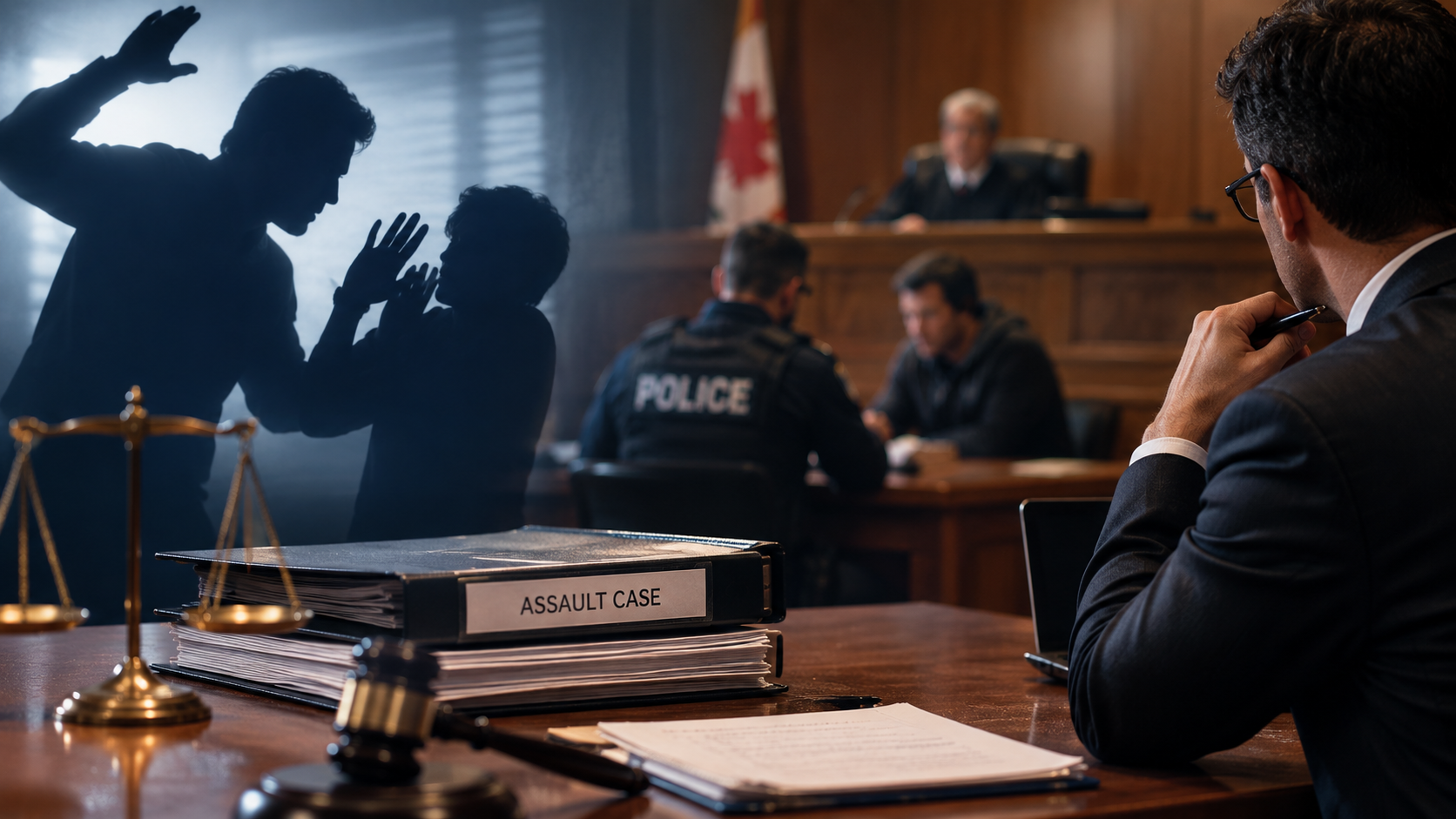
Assault Charges Lawyer Serving Brampton, Caledon, Toronto and the GTA
An assault allegation can affect liberty, employment, family relationships, reputation, travel, and professional opportunities. The charge may concern alleged force, a threat by gesture, a weapon, injury, choking, or more serious bodily harm.
Assault can include intentionally applying force without consent, attempting or threatening by an act or gesture to apply force where the person has present ability to carry it out, or accosting or impeding someone while openly carrying a weapon or imitation. Charges range from common assault to assault with a weapon, assault causing bodily harm, choking, aggravated assault, and assaulting a peace officer. The Crown must prove the particular form charged and the necessary intent.
Gill Defence Law can review statements, surveillance and body-camera video, medical and injury evidence, 911 calls, photographs, digital communications, scene evidence, and independent witnesses. Defence issues may include identity, intent, whether force occurred, consent where legally available, self-defence, defence of another, accident, reliability, causation, weapon classification, and Charter breaches. Do not contact the complainant if prohibited, and do not try to secure a retraction.
Preserve injuries and property damage with dated photographs, keep complete messages and videos, identify witnesses, and seek appropriate medical care. Provide counsel with a candid chronology, including who initiated contact, opportunities to leave, threats, proportionality, and events immediately before and after the incident.
How Gill Defence Law Can Help
Gill Defence Law can explain the allegation and procedure, obtain and organize disclosure, review the evidence, identify factual and legal issues, address urgent conditions and deadlines, communicate with the prosecution where appropriate, and prepare for applications, resolution discussions, hearings, or trial. The strategy depends on the evidence and applicable law; no result can be promised before the file is reviewed.
Common Issues and Evidence Reviewed
- Common assault, threats by gesture, and non-consensual force
- Assault with a weapon, bodily harm, choking, and aggravated assault
- Self-defence and defence of another under section 34
- Intent, accident, identity, credibility, and reliability
- Medical evidence, causation, and seriousness of injury
- Bail conditions, peace bonds, criminal records, restitution, and weapons orders
Common Assault Related Charges
Gill Defence Law represents clients facing common assault, assault with a weapon, assault causing bodily harm, choking or strangulation allegations, aggravated assault, threats, and related breach allegations.
Self Defence Consent Identity and Intent
Depending on the evidence, the defence may examine self-defence, defence of another person, consent where legally available, accident, identity, intent, credibility, reliability, and the seriousness or cause of an alleged injury. Each issue must be assessed under the facts and the applicable law.
Evidence in an Assault Case
Relevant material can include 911 audio, body-camera footage, surveillance, photographs, medical records, witness accounts, text messages, social-media communications, police notes, and statements. Complete context often matters more than an isolated excerpt.
What to Do Now
Protect your safety, attend court as directed, and follow every release, licence, contact, residence, weapons, device, or reporting condition exactly. If a condition is unclear or unworkable, obtain legal advice before acting.
Why Choose Gill Defence Law
The firm uses a focused and personal approach. Clients receive direct explanations of the allegation and options, a careful review of the available evidence, practical advice about immediate obligations, and prepared representation suited to the stage of the case.
- Direct communication and clear explanations
- Detailed review of disclosure and missing evidence
- Attention to release terms, deadlines, court dates, and evidence preservation
- Preparation for negotiations, applications, hearings, and trials where required
- Advice that considers both the court case and important personal or professional consequences
Areas Served
Assault defence services are available in Brampton, Caledon, Mississauga, Toronto, Etobicoke, North York, Scarborough, Vaughan, Woodbridge, Newmarket, Richmond Hill, Markham, and other GTA communities where representation can be accepted.
Contact Gill Defence Law
If you are facing assault charges allegations, call Gill Defence Law at +1 416-779-7500 to discuss the charge, your documents, the available evidence, and the next court date. Early advice can help preserve evidence, prevent avoidable breaches, and identify issues requiring immediate attention.