Property Offences
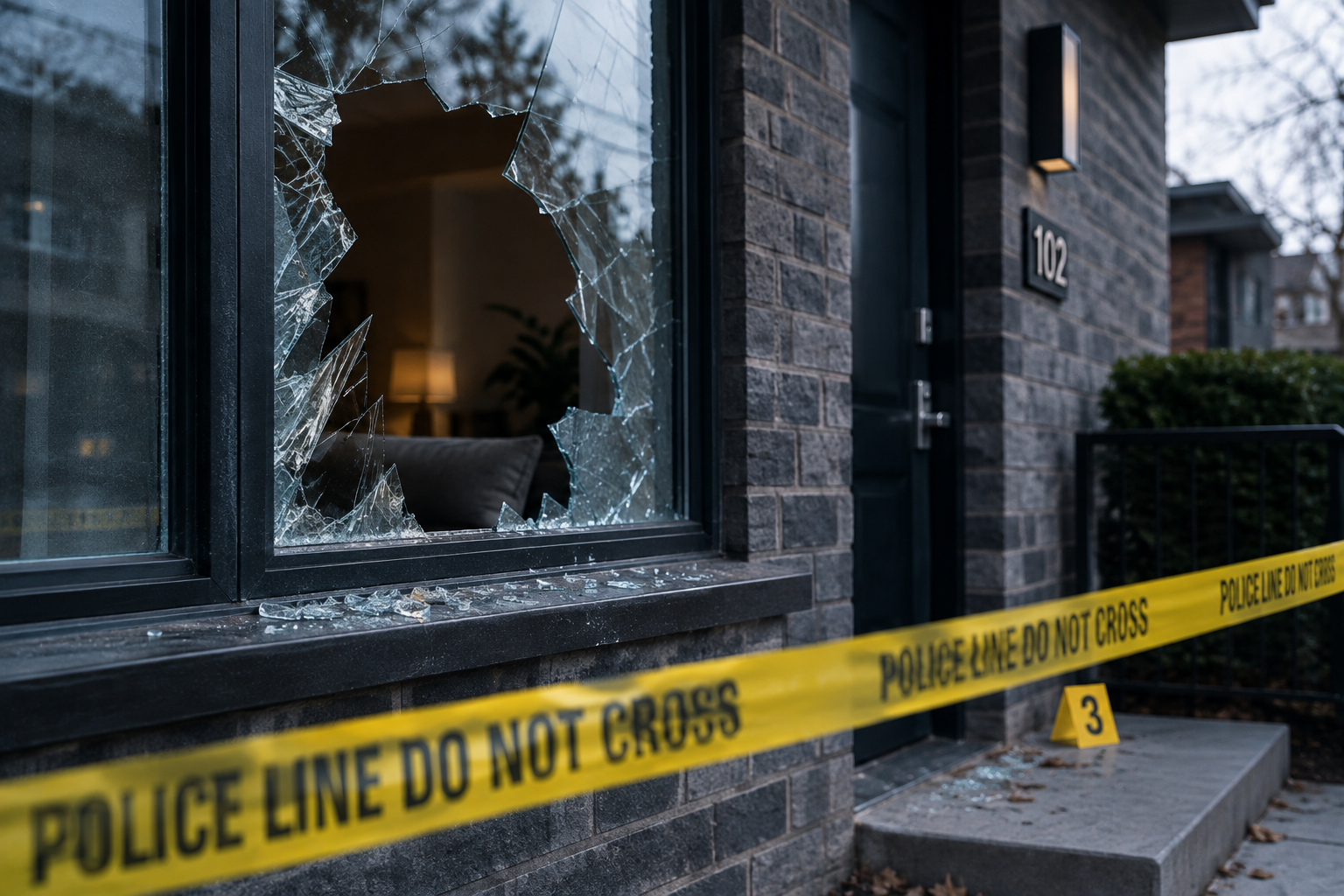
Property Offence Lawyer Serving Brampton, York Region, Toronto and the GTA
Property offences extend beyond theft. They may include mischief, breaking and entering, possession of break-in instruments, arson, damage to vehicles or buildings, interference with computer data, and possession of property obtained by crime.
Property offences cover more than theft. They may include mischief, breaking and entering, possession of break-in instruments, arson, trespass-related criminal allegations, possession of property obtained by crime, and damage to vehicles, homes, businesses, data, or public property. Mischief can involve destroying or damaging property, rendering it dangerous, useless, inoperative or ineffective, or interfering with lawful use or enjoyment.
Gill Defence Law can review ownership and value evidence, surveillance, alarms, access-control logs, phone and location records, fingerprints or DNA, fire investigation, tools, photographs, repair estimates, statements, and the alleged connection between the accused and property. Defence issues may include identity, intent or recklessness, lawful excuse or colour of right, causation, value, party liability, search powers, and the reliability of expert conclusions. Do not repair, replace, access, or communicate about disputed property without advice if doing so could alter evidence or breach a condition.
Preserve photographs, ownership records, leases, keys or access logs, messages, estimates, insurance correspondence, and proof of lawful authority. If the allegation arose from a landlord-tenant, family, neighbour, or business dispute, tell counsel about related proceedings and orders.
How Gill Defence Law Can Help
Gill Defence Law can explain the allegation and procedure, obtain and organize disclosure, review the evidence, identify factual and legal issues, address urgent conditions and deadlines, communicate with the prosecution where appropriate, and prepare for applications, resolution discussions, hearings, or trial. The strategy depends on the evidence and applicable law; no result can be promised before the file is reviewed.
Common Issues and Evidence Reviewed
- Mischief to property or computer data
- Breaking and entering and intent to commit an indictable offence
- Possession of break-in instruments or property obtained by crime
- Arson, fire investigation, and risk to life
- Identity, access, party liability, intent, and lawful excuse
- Damage valuation, restitution, forfeiture, and related civil proceedings
Mischief Damage and Interference With Property
Mischief may involve damaging property, making it dangerous, useless, inoperative or ineffective, or interfering with its lawful use or enjoyment. Ownership, joint interests, lawful excuse, intent or recklessness, causation, and value may be disputed.
Breaking and Entering and Related Allegations
Break and enter does not always require that property was stolen. The charge may depend on entry, breaking out, and the alleged intent to commit an indictable offence. Access records, alarms, tools, location data, surveillance, fingerprints, DNA, and statements may be relevant.
Valuation Restitution and Related Disputes
Invoices, repair estimates, expert evidence, replacement cost, insurance information, and the nature of the property may affect valuation. If the incident arose from a landlord-tenant, family, neighbour, or business dispute, related orders and proceedings should be disclosed to counsel.
What to Do Now
Protect your safety, attend court as directed, and follow every release, licence, contact, residence, weapons, device, or reporting condition exactly. If a condition is unclear or unworkable, obtain legal advice before acting.
Why Choose Gill Defence Law
The firm uses a focused and personal approach. Clients receive direct explanations of the allegation and options, a careful review of the available evidence, practical advice about immediate obligations, and prepared representation suited to the stage of the case.
- Direct communication and clear explanations
- Detailed review of disclosure and missing evidence
- Attention to release terms, deadlines, court dates, and evidence preservation
- Preparation for negotiations, applications, hearings, and trials where required
- Advice that considers both the court case and important personal or professional consequences
Areas Served
Property-offence defence services are available in Brampton, Mississauga, Caledon, Toronto, Etobicoke, North York, Scarborough, Vaughan, Newmarket, Milton, Oakville, Georgetown, Halton Hills, and nearby communities.
Contact Gill Defence Law
If you are facing property offences allegations, call Gill Defence Law at +1 416-779-7500 to discuss the charge, your documents, the available evidence, and the next court date. Early advice can help preserve evidence, prevent avoidable breaches, and identify issues requiring immediate attention.